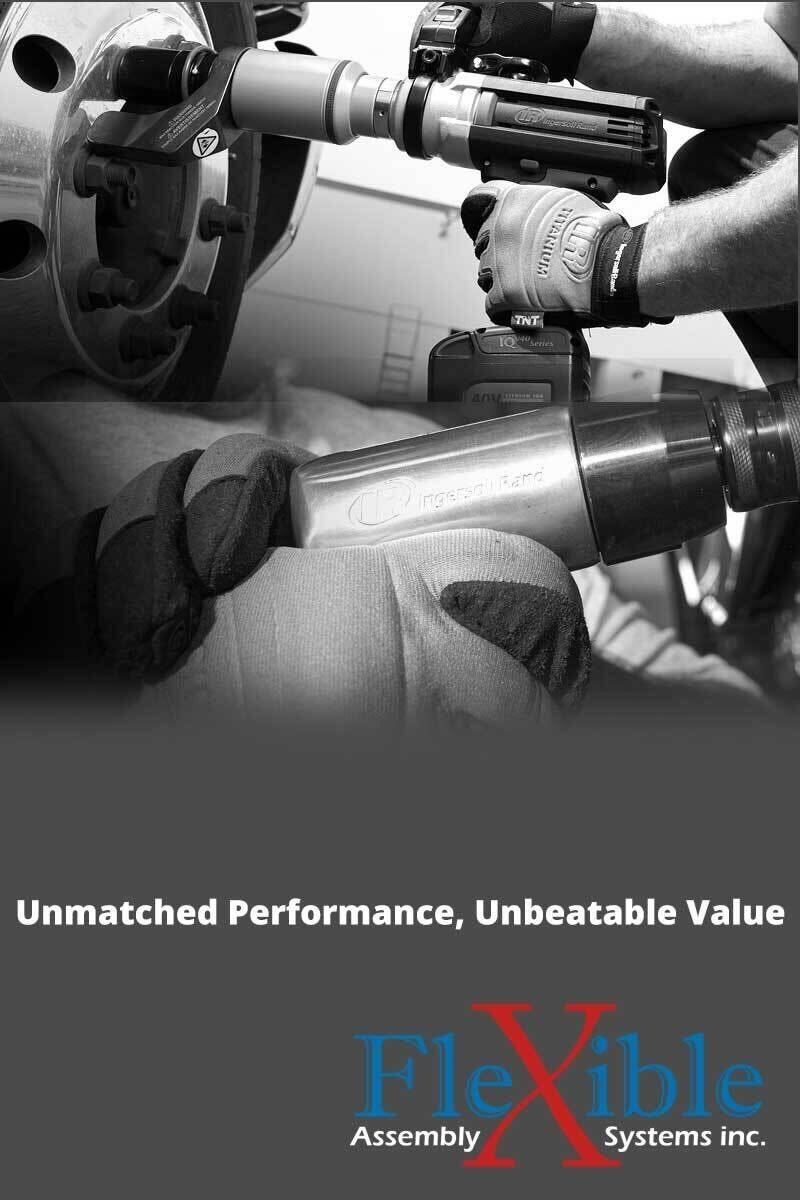

A wrench sits heavy at a plant bench. Its cord snakes around stands and tools. That cord binds an operator to a fixed point. You face limited reach and trip hazards. Battery models cut the cord. You walk freely between stations. Yet you worry that battery power may slip. Modern cordless impact wrenches match corded torque values. They deliver full force on bolts and fasteners. You gain motion freedom and maintain production output. This article examines how battery impact wrenches match or exceed corded models on power, run time, and durability. You learn how to pick the right tool for tough jobs and busy shops.
Key Differences Between Corded and Cordless Impact Wrenches
When you compare corded and cordless wrenches, four features stand out:
- Power output
- Run time
- Weight and balance
- Maintenance needs
Each factor shapes tool choice. A clear view of these elements helps you match a tool to your plant layout and job demands.
Power Output and Torque
A corded impact wrench draws steady current from an outlet. That steady feed delivers high torque at low speed and peak torque at stall. Cordless models rely on battery voltage and motor efficiency. Early battery tools could not reach high stall torque under heavy load. Today’s lithium ion cells hold more energy per cell. Tool makers pair them with brushless motors and advanced trigger control. That combo yields torque values close to corded units. Many models now supply 300 Nm of torque at free spin. Stall torque often reaches 500 Nm. You pull stubborn fasteners just like with corded units.
Run Time and Duty Cycle
A corded wrench runs without pause. A battery tool ends when cells deplete. Modern battery packs feature high cell count and advanced cell chemistry. You pick a pack size that fits your shift. A 5.0 Ah pack on a mid-torque wrench may run for 300–400 torque cycles per charge. A swap system keeps spares at hand. You charge one pack while operating on another. Maintenance crews rarely pause for power issues. A quick swap delivers full voltage and zero power drop at torque peak.
Weight, Balance, and Ergonomics
Corded wrenches carry heavy motors and metal housings. Yet battery packs add mass at the handle base. A tool with a 3.0 Ah pack may weigh 2.5 kg. A corded wrench of similar torque may weigh 2.2 kg. But weight distribution differs. A battery pack at the handle end shifts the center of gravity toward the wrist. Tool makers offset that by shaping the housing and using lighter materials for the motor frame. You feel the tool as balanced and firm in your hand. Reduced vibration and softer grips cut operator fatigue on long runs.
Maintenance and Service
With corded tools, you check brushes and commutators every set intervals. A build-up of dust in vents can cause motor stall and high heat. Battery impact wrenches use brushless motors that skip brush service. Cells require periodic capacity checks and replacement after a few hundred cycles. Chargers need no routine service. Pack health monitors alert you to cell failures. You plan pack replacements at defined intervals rather than react to sudden motor fuss.
Advances in Battery and Motor Technology
Battery packs and motor design have evolved. Those advances narrow any performance gap.
Lithium Ion Cell Chemistry
Good packs use nickel cobalt manganese or nickel cobalt aluminum cells. Each cell holds 3.6–3.7 volts. A 5-cell pack pairs five cells in series to yield 18–20 volts. A 10-cell pack steps up to 36 volts. High cell count equals more torque potential and smoother voltage under load. Solid electrolyte formulas yield stable output at high discharge rates. That stability keeps torque from dipping when a fastener stalls.
Brushless DC Motors
A brushless motor uses permanent magnets on the rotor and Hall sensors on the stator. An electronic control block reads sensor data dozens of times a second. It adjusts coil current at precise intervals. The result: fast spin response and high torque at low speed. A brushless design endures more work cycles without service. Heat build-up stays lower because no friction from brushes exists. You see fewer late-shift stalls and no sudden power loss when brushes wear.
Electronic Control and Sensor Feedback
Modern tools include microcontrollers that govern motor speed and torque. You set a torque limit on a dial or via a small display. The tool monitors actual torque with a sensor near the anvil. When the tool hits preset force, the controller cuts motor current. That precise cutoff prevents fastener damage. Some units include multiple torque profiles. You choose a lower torque for light trim fasteners. You dial up full force for chassis bolts or weld nuts. A trigger switch tells the tool how fast to ramp up speed. You hold trigger lightly for slow torque set and squeeze fully for maximum spin.
Practical Benefits of Cordless Impact Wrenches
A battery wrench offers real gains on a busy shop floor or job site.
Enhanced Mobility and Reach
A mechanic fits wheel studs on a lift. With a battery tool you walk around the vehicle without concern for cable length. No cord snags on jacks or hoses. You work uphill on a scaffold with no cable pull. You carry the tool into confined compartments of heavy machinery or inside narrow facility ducts. Battery power frees you from outlet locations. You get to parts sooner.
Reduction of Trip Hazards
Cord runaways injure or stall work flow. A dropped plug can spark at live current. A battery tool has no plug. You avoid sparks in low-voltage environments. You also cut trip hazards on oil-slicked or debris-covered floors. A work zone with no cables stays neat and safe. Operators focus on assembly and repair rather than an occasional cord get-tangle.
Quick Job Swaps and Flexibility
Field teams handle varied tasks. One moment they assemble frames. The next they tighten a gearbox housing. A set of battery packs with a universal voltage works across multiple tools. You keep a common pack for drills, grinders, lights, and impact wrenches. You reduce pack variety and spare pack count. A swap takes seconds. You steady pace and avoid idle minutes.
Noise and Vibration Control
Brushless motors run quieter than brushed variants. A reduction in stray arcing cuts sound. Internal dampers reduce impact anvil clatter. Operators report less wrist buzz and less ear fatigue. A quieter station helps communications and reduces need for ear protection on light tasks. You still hear the pulse as the tool hammers the anvil, a sign that torque hits the joint.
Key Metrics for Tool Selection
When you shop for a cordless impact wrench, watch these specs:
- Voltage and cell count
- No-load speed range
- Maximum torque (Nm)
- Anvil size and accessory compatibility
- Weight and balance
- Battery capacity (Ah) and pack size
- Charger cycle time
- Tool duty cycle rating
- Warranty terms
Voltage and Cell Count
Voltage sets torque ceiling. A 12 V tool suits light tasks such as furniture assembly and small frame work. An 18 V tool fits mid-duty tasks. A 36 V tool drives large fasteners and heavy machinery bolts. Match voltage to typical joint size. Higher voltage adds weight. Avoid overkill if you never hit peak torque.
No-Load Speed Range
A range of 0–1,800 rpm gives versatility. Slow speeds help start stubborn bolts without galling. Higher rpm clears threads and spins out bolts fast. Some tools hit 3,000 rpm top speed. You choose a unit with two or three speed modes on a trigger or via a small switch for faster handling of varied tasks.
Maximum Torque
Torque matters most. Mid-duty models reach 200–300 Nm. Heavy models climb past 500 Nm. Stall torque often runs 10–20% higher than maximum rated torque. You break rusted or over-torqued bolts with a brief trigger burst. You must match torque to fastener grade. Over-torque risks snap-off or thread damage. Under-torque risks loosening under vibration.
Anvil Size and Socket Drive
A 1/4-inch anvil suits light assembly tasks. A 3/8-inch anvil covers most mid-duty frame and chassis work. A 1/2-inch anvil fits heavy machinery and wheel lug nuts. A 3/4-inch anvil suits large industrial bolts. Many models offer an easy-change anvil system. You switch adaptors without extra parts.
Battery Capacity and Charger Speed
A 4.0 Ah pack weighs less yet runs longer than a 2.0 Ah cell. A 5.0 Ah pack runs longer still at slight extra weight. A fast charger that refills a 5.0 Ah pack in 30 minutes keeps two-pack systems running a full shift. A 60-minute charge time requires three packs per tool. Calculate pack count by shift length.
Setup and Best Practices for Field or Shop Use
A well-ordered tool station boosts productivity and tool life.
Pack Rotation and Charge Management
Assign two or three packs per tool. Label each pack with number and date of first use. At shift end, swap low packs for fresh ones. Cycle discharged packs through a charger bank. Track charge hours to replace aging packs at predictable intervals. A pack’s effective capacity drops after 300–500 cycles. Replace before voltage sag affects torque.
Trigger Technique and Joint Preparation
Hold tool firmly at 90 degrees to bolt. A slight angle shift can cause an off-axis load and mark valve bodies or housings. Start at low speed for the first half turn on stiff joints. That reduces binding. Increase to full speed after threads clear. Release trigger smoothly once torque limit trips. Avoid bumping at end. That protects fastener and tool.
Routine Inspection
Check tool vents for dust and debris. Wipe housing surfaces after each shift. Inspect anvil lock mechanism and retainer ring. Clean any chips or swarf. Test torque control by tightening a sample bolt on a torque tester monthly. Verify that the tool cuts off at spec. Any drift calls for service or adjustment.
Why Choose Flexible Assembly Systems?
Flexible Assembly Systems supplies a wide range of battery impact wrenches and support gear. Our team helps you match tool, pack, and charger to your work profile. You get these benefits:
- Detailed torque curve data for each model
- Tool demo at your site to confirm balance and power
- Battery pack health analysis and swap plan
- Charger cabinets with LED pack status display
- Onsite training for proper trigger hold and joint prep
- Service contracts with loaner tools for zero downtime
- Rapid delivery of spare packs and parts worldwide
- Online portal for firmware updates and maintenance logs
Our focus stays on tools that fit your needs and workflows. We help you avoid overpaying for unused torque or under-equipping your team.
Final Thoughts
A cordless impact wrench frees operators from cord clutter. Modern battery packs and brushless motors deliver torque that matches corded models. You gain reach, safety, and station flexibility without power loss. Proper tool choice hinges on torque range, run time, and tool weight. A pack-and-charger system must align with shift length and cycle count. With clear setup rules and maintenance checks, battery tools drive productivity and reduce downtime. Talk to Flexible Assembly Systems to pick the right model, pack size, and support plan for your operation. Move freely. Tighten fasteners with confidence. Keep your line rolling at peak pace.


 By
By




 By
By