
Walk into any industrial facility and you’ll witness a costly assumption playing out daily. Managers often treat hoses as interchangeable components, grabbing whatever’s available from storage for current usage. This mindset creates expensive problems that ripple through operations, affecting everything from productivity to safety standards.
The reality is that selecting the wrong hydraulic hose leads to operational nightmares most companies never anticipate. Equipment overheats, systems fail unexpectedly, and maintenance costs spiral upward. Perhaps more concerning is how these failures compromise worker safety and halt production lines when deadlines matter most.
Understanding the High Stakes of Poor Hose Selection
Equipment Damage Beyond Repair: Incorrect hose specifications create cascading failures that destroy expensive machinery. Hydraulic systems operating under wrong pressure ratings experience catastrophic breakdowns, forcing companies to replace entire assemblies rather than simple components. These incidents often occur during peak production periods, amplifying financial losses significantly.
Production Downtime Costs: Manufacturing facilities lose thousands of pounds per hour when hydraulic systems fail unexpectedly. Emergency repairs require sourcing replacement parts quickly, often at premium prices from expedited suppliers. The domino effect touches every department, from delayed shipments to missed contract deadlines.
Safety Hazards Multiply: Inappropriate hose selection creates dangerous working conditions that regulatory bodies scrutinise heavily. Burst hoses spray pressurised fluid across work areas, creating slip hazards and potential chemical exposure risks. Workers face injury risks that could have been prevented through proper specification processes.
Critical Factors That Determine Optimal Hose Performance
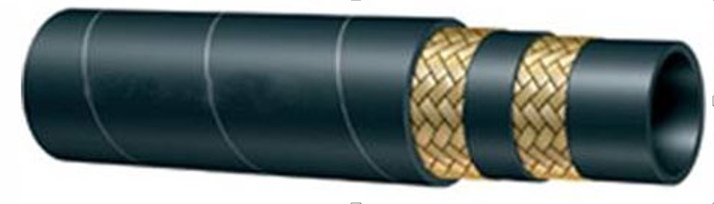
Pressure Rating Requirements: Every hydraulic system operates within specific pressure parameters that determine hose construction needs. Standard working pressures vary dramatically across industries, from light-duty applications requiring 1,000 PSI to heavy machinery demanding 6,000 PSI or higher. Engineers must account for pressure spikes that exceed normal operating levels by substantial margins.
Temperature Tolerance Specifications: Industrial environments expose hoses to extreme temperature variations that affect material properties and performance characteristics. Cold storage facilities require hoses that remain flexible at sub-zero temperatures, preventing cracking and maintaining seal integrity. High-temperature applications demand materials that resist degradation, maintaining structural integrity under thermal stress conditions.
Fluid Compatibility Concerns: Chemical compatibility between hydraulic fluids and hose materials prevents premature deterioration and contamination issues. Petroleum-based fluids require different liner materials compared to synthetic alternatives or biodegradable options. Incompatible combinations cause swelling, cracking, or chemical breakdown that compromises system performance and safety standards.
Industry-Specific Applications Demand Tailored Solutions
Construction Equipment Demands: Heavy machinery operates in harsh environments where standard hoses fail rapidly under extreme conditions. Excavators and bulldozers require hoses that withstand constant flexing, abrasion, and impact from debris and rough terrain. These applications benefit from reinforced construction and protective sleeves that extend service life significantly.
Manufacturing Process Requirements: Automated production lines demand consistent performance from hydraulic components that operate continuously without maintenance interruptions. Food processing facilities require hoses that meet stringent hygiene standards while maintaining chemical resistance to cleaning agents. Pharmaceutical manufacturing adds sterility requirements that standard industrial hoses cannot accommodate safely.
Automotive Assembly Challenges: Vehicle production lines utilise hydraulic systems for precise positioning and force application during assembly processes. These applications require hoses with minimal expansion under pressure to maintain accuracy and repeatability. Temperature cycling from paint booths and curing ovens creates additional stress factors that standard hoses struggle to handle.
See also: Technology: Transforming the Modern World
Technical Specifications That Matter Most
Bend Radius Calculations: Proper bend radius prevents premature failure from stress concentration at connection points and routing areas. Tight installations require hoses designed for smaller bend radii without compromising flow characteristics or structural integrity. Incorrect calculations lead to kinking, reduced flow capacity, and accelerated wear patterns.
Flow Capacity Considerations: Internal diameter affects flow rates and pressure drop across system components, impacting overall hydraulic efficiency significantly. Undersized hoses create restrictions that force pumps to work harder, increasing energy consumption and generating excessive heat. Oversized selections waste space and increase material costs without providing performance benefits.
- Burst pressure ratings exceed working pressure by 4:1 safety margins for reliable operation.
- Temperature ranges accommodate ambient conditions plus heat generation from system operation.
- Abrasion resistance ratings match environmental exposure levels and expected service life.
- Flexibility ratings ensure proper installation without stress concentration points.
Making the Right Choice for Long-Term Success
Cost Analysis Beyond Initial Purchase: Smart procurement considers total ownership costs rather than focusing solely on upfront expenses that seem attractive initially. Premium hoses often provide better value through extended service life, reduced maintenance requirements, and fewer emergency replacements. Calculating costs per operating hour reveals the true economic impact of specification decisions.
Performance Monitoring Benefits: Quality hoses provide consistent performance characteristics that enable predictive maintenance scheduling and system optimisation efforts. Monitoring pressure drops, temperature variations, and visual wear patterns helps identify replacement needs before catastrophic failures occur. This proactive approach minimises unplanned downtime and extends equipment life significantly.
Supplier Partnership Value: Working with knowledgeable suppliers ensures access to technical expertise and application-specific recommendations that generic vendors cannot provide adequately. Experienced partners understand industry requirements and can suggest alternatives that improve performance while controlling costs. They also provide technical support when problems arise, reducing troubleshooting time considerably.
Conclusion
Selecting appropriate hydraulic hoses requires careful consideration of multiple technical factors that impact system performance, safety, and operational costs significantly. Companies that invest time in proper specification processes avoid expensive failures while maximising equipment reliability and worker safety.
The complexity of modern industrial applications demands expert guidance to navigate the numerous options available and identify solutions that deliver long-term value. Take control of your hydraulic system performance by partnering with specialists who understand your specific requirements and can recommend optimal hose solutions for your unique operating environment.


 By
By




 By
By