
Introduction
The rapid advancement of global manufacturing has transformed the way industries evaluate, select, and utilize materials. The modern industrial environment is shaped by an intricate network of chemical compounds, engineered polymers, specialized coatings, and performance-enhancing agents. These materials are not merely components in a production line—they are strategic tools that determine efficiency, durability, sustainability, and innovation. As industries expand, diversify, and transition toward more environmentally conscious practices, understanding the evolution and relevance of contemporary materials becomes more critical than ever.
The present industrial landscape blends traditional engineering with scientific advancements, drawing from chemistry, material science, environmental studies, and global supply-chain dynamics. In this evolving context, even specialized materials referenced in technical documentation—such as PVA—surface in research discussions as part of broader analyses concerning polymer applications and industrial processing. While the spotlight remains on the overarching trends shaping manufacturing, many such materials contribute quietly yet meaningfully to the stability and progress of modern production systems.
This article examines the multifaceted transformation of industrial materials, exploring their historical progression, functional relevance, relationship with technology, role in sustainability, and influence on industrial growth. It also analyzes how emerging practices and global economic factors reshape material selection across sectors.
1. Historical Evolution of Material Use in Industry
1.1 Early Industrial Developments
The foundations of modern manufacturing were established during the Industrial Revolution, when metals, textiles, and basic chemical compounds became the cornerstones of production. Iron, coal, and steam-powered machinery fueled an era in which materials were perceived primarily as functional necessities rather than strategic assets.
1.2 Emergence of Engineered Materials
By the early 20th century, synthetic materials such as plastics, resins, and composites emerged as more reliable, adaptable alternatives to natural resources. This shift enabled manufacturers to reduce dependency on traditional materials while gaining access to greater structural flexibility, durability, and cost efficiency.
1.3 Advancements in Polymer Science
The mid-20th century saw exponential growth in polymer technology. Industries recognized polymers not only as manufacturing aids but as central components in products ranging from textiles and packaging to adhesives and medical supplies. Research institutions and chemical manufacturers increasingly focused on enhancing polymer performance through modifications in molecular structure, processing techniques, and additive technologies.
1.4 Material Science as a Strategic Discipline
Late 20th-century globalization pushed material science into a strategic domain. Corporations began viewing material innovation as a competitive advantage, investing in sustainability-based formulations, high-performance composites, nanomaterials, and advanced coatings. This set the stage for the multidisciplinary material ecosystem we see today.
See also: Franchise Attorneys: Why They’re Essential For Business Owners
2. Characteristics That Define Modern Industrial Materials
2.1 Performance Stability
Contemporary industrial operations demand materials with predictable, consistent behavior under varying conditions. Whether exposed to heat, pressure, moisture, or mechanical stress, modern materials must demonstrate stability to maintain product reliability.
2.2 Durability and Structural Integrity
The increased lifespan expectations of modern products require materials that resist wear, corrosion, and degradation. Industrial applications—from construction to electronics—depend on structural resilience to ensure safety and long-term functionality.
2.3 Compatibility and Versatility
Materials must integrate seamlessly into diverse manufacturing systems. This includes compatibility with coatings, emulsions, adhesives, solvents, and other processing components. Versatile materials reduce production complexity and support innovation in product design.
2.4 Precise Modifiability
A distinguishing characteristic of modern engineered materials is their ability to be tailored to specific performance criteria. Adjustments to molecular weight, viscosity, solubility, density, or composite structure allow manufacturers to align materials with exact functional requirements.
2.5 Environmental Responsibility
Sustainability is no longer an optional consideration. Today’s industries prioritize materials that reduce environmental impact through biodegradability, recyclability, lower emissions, cleaner manufacturing processes, and minimized chemical hazards.
3. Applications Across Global Industries
3.1 Packaging and Film Technologies
Material selection plays a foundational role in packaging innovations. High-clarity films, moisture barriers, protective coatings, and flexible packaging solutions all depend on engineered materials that support strength, transparency, and processability. Advanced materials enable lightweight packaging, smart labeling, and reduced material consumption.
3.2 Textiles and Fabric Engineering
The textile industry has undergone significant modernization. Material technologies now influence fiber resilience, dye absorption, fabric texture, and weaving efficiency. Chemical formulations applied during processing help strengthen fibers, reduce breakage, and enhance textile performance under mechanical stress.
3.3 Adhesives and Coatings
Chemical materials form the backbone of industrial adhesives, emulsions, primers, and surface coatings. Each formulation requires precise bonding behavior, viscosity, film-forming ability, and durability. These materials ensure adhesion on diverse surfaces and support specialized functions like corrosion resistance, insulation, or UV protection.
3.4 Construction and Civil Engineering
In construction, engineered materials contribute to cement additives, sealants, composites, reinforcement fibers, and waterproofing systems. Material choice affects structural stability, curing times, weather resistance, and long-term performance in varying climates.
3.5 Automotive, Electronics, and Technical Manufacturing
Advanced polymers, conductive composites, and specialized coatings are integral to automotive and electronics manufacturing. These materials support lightweight vehicle design, thermal stability, shock resistance, circuit protection, and high-precision assembly processes.
4. Technological Transformations Reshaping Material Usage
4.1 Digital Manufacturing and Material Optimization
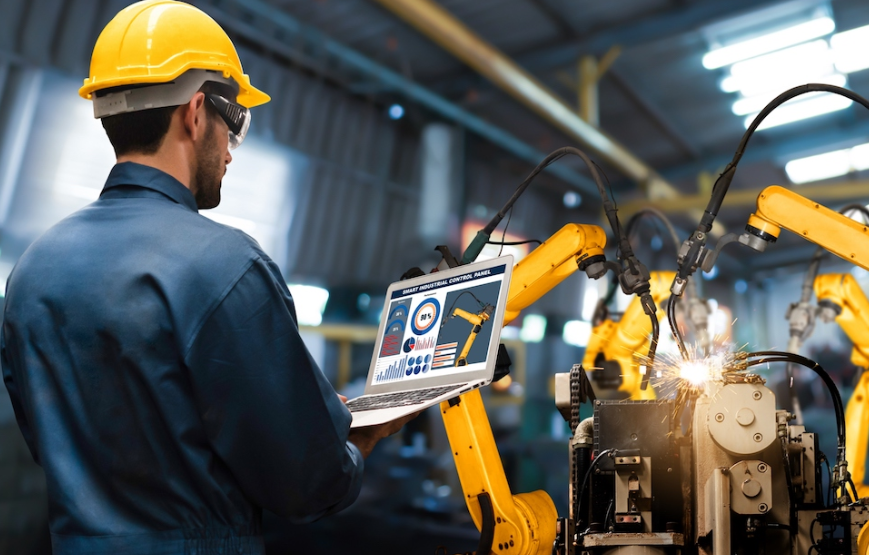
The integration of robotics, AI-driven design, and automated processing has enabled precise control over material application. Manufacturers can now analyze performance data to adjust formulations and improve product quality.
4.2 3D Printing and Additive Manufacturing
Additive manufacturing brought a paradigm shift in material consumption. New formulations allow 3D-printed components to match or exceed the performance of traditionally manufactured items.
4.3 Nanotechnology and Functional Surface Engineering
Nanomaterials continue to influence coatings, electronics, and medical sciences. Their ability to modify surfaces at microscopic levels enables enhanced conductivity, antibacterial protection, and improved energy efficiency.
4.4 Smart Materials and Responsive Systems
Materials that react to temperature, pressure, light, or electrical signals are becoming central to innovation. Smart materials support sectors such as robotics, aerospace, biomedicine, and wearable technology.
5. Sustainability and the Shift Toward Greener Material Practices
5.1 Environmental Regulations and Global Standards
Governments and international organizations now enforce strict guidelines regarding material toxicity, emissions, and recyclability. This regulatory landscape encourages greener formulations.
5.2 Renewable and Bio-Based Materials
Manufacturers increasingly explore bio-based polymers, plant-derived composites, and recyclable alternatives to conventional plastics.
5.3 Waste Reduction Through Material Efficiency
Advanced materials reduce waste by improving durability, decreasing defect rates, and enabling more efficient processing.
5.4 Circular Economy Integration
A growing global movement focuses on designing products for reuse and recycling, minimizing landfill dependency.
6. Economic and Supply-Chain Considerations
6.1 Global Market Dynamics
Material pricing and availability are heavily influenced by geopolitical events, trade policies, and regional production capacities.
6.2 Supply Chain Reliability
Manufacturers prioritize supply networks capable of ensuring consistent delivery, technical support, and long-term availability of specialized materials.
6.3 Demand Forecasting and Resource Planning
Industries increasingly rely on predictive analytics to anticipate material requirements and reduce inventory disruptions.
6.4 Collaboration With Material Innovators
Partnerships between manufacturers and research-driven chemical companies accelerate innovation and ensure access to high-performance materials.
7. Future Directions in Industrial Material Development
7.1 High-Performance Composite Materials
Next-generation composites will combine lightweight structures with exceptional strength and flexibility.
7.2 Molecular Engineering and Precision Material Design
Advancements in chemistry enable atomic-level customization of materials for targeted functionalities.
7.3 Integration With Renewable Energy Systems
Material innovations will support solar technology, energy storage, and low-carbon infrastructure.
7.4 Industry 5.0 and Human-Centric Manufacturing
Future materials will balance technological advancement with ergonomic design, safety, and environmental responsibility.
Conclusion
The material ecosystem that supports global manufacturing is undergoing a profound and continuous evolution. From polymer science to nanotechnology, from sustainability initiatives to digital optimization, material innovation sits at the core of industrial progress. Modern industries require compounds capable of delivering stability, efficiency, adaptability, and environmentally responsible performance.
While countless components contribute to today’s industrial landscape, the key drivers remain technology, research, global collaboration, and the push toward sustainable development. As industries move forward, sophisticated material solutions will continue to redefine manufacturing standards, supply-chain strategies, and the overall design of future products.


 By
By




 By
By