
A visit to the dentist often raises more questions than it answers, especially for those who haven’t been in a while. From scheduling the appointment to leaving the chair, every step deserves a bit of preparation. Knowing what to expect helps you feel more at ease, ask better questions and get the most out of your time with the practitioner. Whether you’re booking a routine check-up or addressing a specific concern, a little planning goes a long way in making the experience smoother and more productive.
Choosing the right clinic for your needs
Not every clinic is built around the same approach, so it pays to compare options before booking. Some patients prioritize proximity, others look for specific services like cosmetic dentistry or family care. Comparing reviews, scope of practice and accepted insurance plans helps you narrow the field quickly. As more people now look for a dentist across Canada to address their oral health needs, choosing a clinic that matches your priorities makes the first appointment far less stressful and a lot more productive.
Booking the appointment and what to share
Securing a spot starts with a quick phone call or an online booking. The clinic usually asks for basic information, including reason for the visit, current medications and any prior treatments that might be relevant. Sharing recent X-rays from a former dentist can save time and avoid duplication. If you have anxiety around dental work, mention it upfront so the team can plan accordingly. A few minutes of honest detail at booking often translates into a calmer, faster appointment.
What to bring on the day
Showing up well-prepared makes the visit smoother for both you and the dental team. Bring a valid ID, your insurance card and a list of medications you’re currently taking. If you’ve had recent treatments elsewhere, dental records or X-ray files speed up the diagnosis. A small bottle of water and a soft case for your glasses or removable dental appliances can also come in handy. Most clinics, including 123Dentist locations, send a digital reminder with everything you might need on the day.
Inside a routine check-up appointment
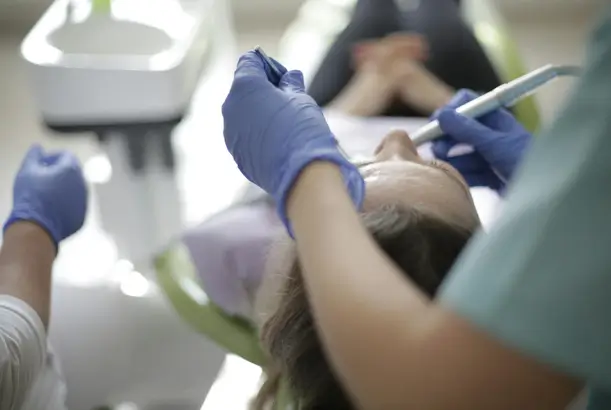
A typical check-up follows a familiar sequence. The hygienist begins with a cleaning to remove plaque and tartar, then takes any necessary X-rays. The dentist reviews the images, examines your teeth and gums, and checks for early signs of decay or other concerns. Together, you go over the findings and discuss next steps if a treatment is needed. The whole appointment usually takes between thirty and sixty minutes, depending on what shows up and whether additional procedures are scheduled the same day.
Questions worth asking before leaving
A short Q&A at the end of the appointment helps you make informed decisions. Ask about the next recommended visit, the cost of any suggested treatments and whether your insurance covers them. Clarifying the order of procedures is also useful when a longer plan is involved. Don’t hesitate to ask for at-home care tips suited to your situation, especially if a specific issue was flagged during the examination. A few extra minutes of dialogue often prevents misunderstandings later.
Topics most patients forget to bring up
Some questions slip the mind in the moment but matter for long-term comfort. Ask whether grinding marks suggest a night guard could help, or whether your current toothbrush type fits your enamel. If you take medication that affects saliva, the team can recommend specific products. Discussing diet habits, particularly acidic drinks and frequent snacking, often opens conversations about preventive care that protect your enamel for years to come.
See also: Shaping Trust and Growth in the Chiropractic Business Landscape
After the visit and follow-up
Once you leave the chair, simple habits help the work last. If a cleaning or a treatment leaves your gums sensitive, stick to soft foods and lukewarm drinks for the rest of the day. Avoid hot beverages right after fluoride application to let it settle on the enamel. If you received an anesthetic, wait until the numbness fades before eating to avoid biting your cheek. Schedule the next visit before walking out, since slots fill up fast in busy clinics.


 By
By



 By
By