
Virginia’s climate is characterized by ever-changing temperatures and humidity, setting the stage for a rotating cast of pests throughout the year. Homeowners need a strategic approach to deal with pests to ensure their houses remain comfortable and safe. Knowledge of which threats are most prevalent in each season, combined with professional support from an exterminator in Virginia, can help prevent infestations and keep homes healthy year-round.
Because pest problems vary as temperatures shift from the frosty months to the warmth of summer, prevention methods need to adapt to these changes as well. Tackling pest problems early and implementing seasonal strategies will make a significant difference in protecting your home and family. The right timely actions can stop pests from turning minor annoyances into costly repairs or health hazards.
Common pests in Virginia adapt quickly to seasonal changes. From spring swarms to rodents in winter, identifying the patterns of activity is the first step toward trouble-free living. Home maintenance habits and quick intervention when signs of pests are noticed will minimize the risk of infestations.
Spring Invaders
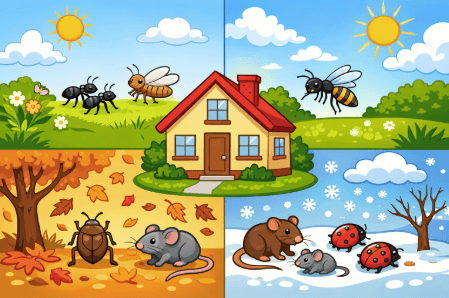
With the arrival of spring and its mild temperatures, pests become more active. Ants are a frequent sight as they search for food and water, often entering through minuscule cracks. Termites also begin swarming, their presence posing long-term risks to homes since they quietly tunnel through wooden structures. Look out for telltale signs such as discarded wings around window sills or mud tubes along your foundation, which indicate an active termite colony. Early detection can make all the difference in controlling damage before it spreads. The experts at Universal Pest & Termite Inc note that homeowners who routinely check for signs can often prevent the costly consequences of a large-scale infestation.
Summer Surge
Virginia’s steamy summer days set the perfect conditions for pests that thrive in warmth and moisture. Mosquito populations surge as standing water becomes plentiful, which is why it is critical to drain birdbaths, plant trays, and other small reservoirs regularly. Mosquitoes are not only a nuisance but can transmit illnesses that impact both humans and pets. Wasps become increasingly aggressive in late summer, constructing nests around eaves and attics. Meanwhile, fire ants, especially problematic around Richmond, show up in lawns and parks and can deliver painful stings. Floating ant rafts sometimes appear after floods and should be avoided entirely. Local news sources, such as Axios Richmond, have issued warnings about the growing threat these invasive ants pose.
See also: How to Maximize Home Storage Space Efficiently
Fall Intruders
As autumn air arrives and temperatures dip, pests begin to migrate indoors. Stink bugs, known for their pungent odor when disturbed, gather on walls and find their way inside as they seek warmer conditions. Rodents, such as mice and rats, are notorious fall invaders that search for food and shelter. They jeopardize indoor air quality and may cause damage to wires or insulation. Taking action now, by sealing foundation cracks and eliminating food crumbs, will curb the risk of an infestation before winter arrives.
Winter Occupants
During Virginia’s coldest months, pests hunker down inside to escape the harsh weather. Rodents remain active behind walls and in attics, accessing pantries in search of food. Cockroaches become more visible, hiding in kitchens and damp areas. Another frequent winter guest is the Asian lady beetle, which differs from native ladybugs. These beetles can swarm interior windows, biting on occasion and secreting a foul-smelling yellow liquid that stains walls and fabrics when squashed. Homes that have many small exterior openings or receive lots of winter sunlight are particularly attractive to these beetles.
Preventive Measures
- Seal up gaps and cracks around doors, windows, and pipes to leave pests without easy entry points.
- Store all food in tightly sealed containers.
- Maintain regular cleaning routines to remove food and water sources that attract pests.
- Inspect and clear gutters or downspouts to eliminate stagnant water.
- Cut back shrubs and trees that hang too close to the house, denying pests convenient bridges inside.
Implementing these straightforward tactics makes your home a harder target for insects and rodents looking for food or shelter.
When to Seek Professional Help
If pests persist despite your best efforts, it is important to contact a professional pest control service. Infestations of termites, fire ants, or rodents can escalate quickly, causing significant property damage or health hazards. A certified expert can not only identify the source but also apply safe treatments and ongoing interventions for lasting relief. Scheduling regular inspections is advisable, since pest risks change with the seasons, and early intervention is the best defense against long-term problems.
By recognizing the seasonal behaviors of Virginia’s most common pests and taking preventative action, homeowners can ensure year-round protection. Addressing early signs, practicing good home care, and turning to an expert when needed are the keys to a pest-free living environment in the Commonwealth.


 By
By




 By
By