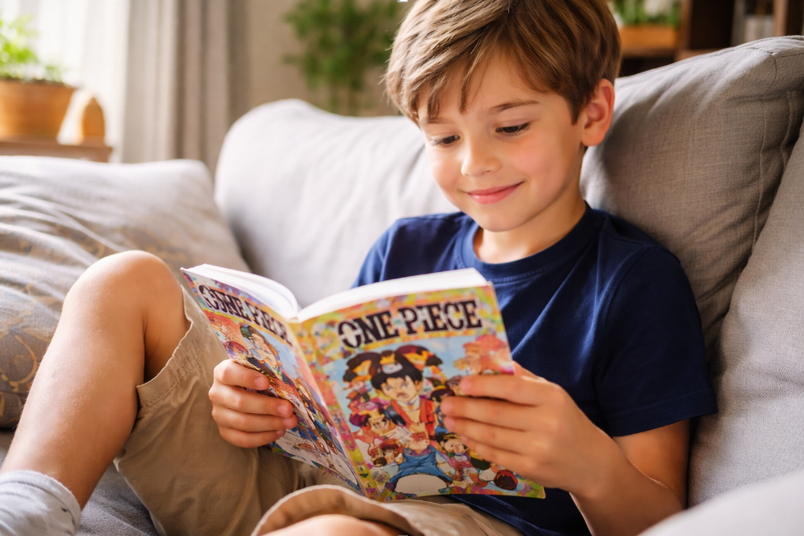

With its colorful world, goofy humor, and unforgettable pirates, One Piece might seem like a perfect pick for young viewers. But beneath the surface lies a layered story filled with intense battles, emotional trauma, and darker themes that may surprise unsuspecting parents. So is One Piece really child-friendly? Or is it more than what meets the eye? Whether you’re a cautious parent, an older sibling, or a curious anime newcomer, this guide will break down exactly what to expect from One Piece in terms of content, tone, and suitability. From language and violence to moral values and humor, here’s what you need to know before letting a child dive into the world of Luffy and his Straw Hat crew.
What age is One Piece appropriate for?
Despite its cartoonish animation and playful characters, One Piece is not a show designed strictly for children. Most official ratings including those in the U.S. place it in the TV-14 category. This suggests it’s meant for teens 14 and older, and for good reason. Episodes regularly feature:
- High-intensity fight scenes
- Blood (especially during serious battles)
- Occasional strong language
- Dark backstories involving death, trauma, and abuse
But that doesn’t mean it’s outright inappropriate for all kids. In fact, many parents have found that younger children (10–13) can watch certain arcs of the show especially the early episodes with proper guidance. The tone in the first 100 episodes is generally lighter, with more slapstick humor and less emotional weight. However, later arcs introduce significantly more mature themes. One moment, you’re watching Luffy argue with a talking reindeer; the next, you’re witnessing the execution of a beloved character. These tonal shifts may confuse or upset younger children, even if they’re anime fans.
Still, many arcs showcase deep moral lessons about friendship, perseverance, loyalty, and fighting injustice values many parents actually want to instill. In this case, carefully choosing which parts of the anime to allow becomes important. Some fans even go as far as curating safe episode lists to help guide young viewers through the story. For those considering introducing a child to the show, you might also want to explore collectible merchandise or figures that allow them to experience the universe in a more controlled and visual way like this curated collection of One Piece figures.
Does One Piece contain violence or disturbing content?
There’s no sugarcoating it One Piece contains graphic violence, although it’s often stylized in a way that distances it from realism. Characters get punched through walls, hit with swords, or burned by explosions. Blood is shown, especially during more emotional battles, but rarely in an overly gory fashion. The show also delves into emotionally heavy topics:
- Abandonment
- Death of parental figures
- Child abuse and slavery
- Genocide and war
The arcs involving characters like Nico Robin or Trafalgar Law are powerful but undeniably intense. They feature flashbacks to deeply traumatic childhood experiences. For a child not emotionally prepared to process such narratives, these moments could leave a lasting impression. Moreover, some villains express disturbing ideologies, such as absolute justice, ruthless tyranny, or nihilistic destruction. These aren’t presented as cool or acceptable, but rather as threats to be overcome. Still, the presence of such mature themes requires thoughtful consideration.
On the lighter side, the show also includes comedic violence and classic anime exaggerations think bulging eyes, huge sweat drops, or characters flying across a room after being hit with a frying pan. This type of humor might balance out the darker content for some younger viewers. If you’re seeking a safer visual way to introduce a child to this world before jumping into the full anime, check out these anime figures as a playful and artistic starting point.
See also: Extend the Life of Your Roof with Professional Central Coast Repairs
Does One Piece have inappropriate language or humor?
One Piece generally keeps language at a moderate level. While the Japanese version avoids profanity almost entirely, English dubs may vary, especially between platforms like Crunchyroll and Funimation. Some dubbed versions include words like “damn,” “hell,” or “bastard,” but they rarely escalate beyond that. Most kids over age 10 will have already heard similar language in PG-rated movies. However, the show does include occasional adult humor, especially in the form of:
- Revealing outfits (particularly with female characters like Nami or Robin)
- Sexual innuendos
- Drunken behavior (often exaggerated for laughs)
- Nosebleed gags (a common trope in anime representing sexual excitement)
None of this is explicit, but it may feel awkward for younger children or parents watching alongside them. For example, Sanji the crew’s chef frequently flirts with women to comedic extremes, which may come off as inappropriate depending on the viewer’s age or cultural background. In terms of body representation and clothing, many outfits are stylized and dramatic, with some revealing designs that might raise questions for parents concerned about oversexualization. However, these moments are usually brief and not the focus of any arc.
What makes One Piece different from other kid-friendly anime?
If you compare One Piece to shows like Pokémon or My Hero Academia, you’ll see that it strikes a balance between lighthearted adventure and emotional storytelling. Unlike shows aimed clearly at children, One Piece operates on multiple layers capable of entertaining a 12-year-old and deeply moving a 30-year-old. This multilayered storytelling is a double-edged sword. On one hand, it enriches the experience and builds characters that kids genuinely grow to love. On the other hand, it introduces complexities like existential dread, moral ambiguity, and the consequences of war that younger minds might struggle to grasp. Still, many parents feel that One Piece can act as a bridge between child-friendly entertainment and more serious themes, helping older kids transition into critical thinkers through the lens of fantasy. Here’s what sets it apart:
- Long-term character development
- Emotionally layered storytelling
- Balance of humor and drama
- Unique moral lessons
- Exploration of political and ethical issues
Which episodes or arcs are safer for younger viewers?
While One Piece spans over 1,000 episodes, not all of them are intense or violent. Some arcs are known for being fun, uplifting, and easier on younger audiences.
Recommended arcs for younger viewers:
- East Blue Saga (Episodes 1–61) : Full of adventure, humor, and introductory character development without much dark content
- Drum Island Arc (Episodes 78–91) : Heartwarming storyline about Chopper, with important lessons on friendship and trust
- Skypeia Arc (Episodes 144–195) : A fantasy-heavy arc with mystical elements and lower stakes
- Water 7 (Episodes 229–263) : Although emotional, it includes fewer violent confrontations compared to others
Arcs to avoid for younger kids:
- Marineford War (Episodes 457–489) : Highly emotional and violent, with major character deaths
- Dressrosa Arc (Episodes 629–746) : Contains heavy political themes, child abuse, and intense fights
- Wano Arc (Episodes 890+) : Visually stunning but includes samurai violence and disturbing flashbacks
Parents might consider pre-watching certain arcs or reading summaries to evaluate which episodes align with their child’s maturity level. Final thoughts: is One Piece a kid-friendly anime?
Should kids watch One Piece?
One Piece isn’t your average pirate cartoon. It’s an emotional odyssey that blends silliness with serious depth, loyalty with loss, and courage with consequences. For parents wondering whether it’s appropriate for kids, the answer is: it depends. Children over 13 with an interest in action and adventure will likely appreciate the show’s humor, heart, and messages. But for younger children, parental supervision and careful episode selection are essential. Don’t let the animation style fool you One Piece offers more than slapstick fights and treasure hunts. It offers moral challenges, powerful arcs, and questions that resonate with viewers across generations. Have you introduced One Piece to your child? What did you think of the experience? Let’s hear your thoughts below!


 By
By




 By
By