
Storm preparation is not only about flashlights, bottled water, and weather alerts. A home’s exterior is its first line of defense against rain, wind, hail, and flying debris. Working with a knowledgeable roof consultant can help homeowners understand which areas need attention first, especially when an older roof or recurring leak raises concerns. A storm-ready home is not guaranteed to withstand every weather event without damage. It is a home with fewer weak points, maintained materials, and a clear path for water to move away from the structure. Roofs, windows, siding, gutters, drainage, and the yard all work together. When one system fails, water and wind can quickly affect the others.
What a Storm-Ready Home Really Means
Exterior maintenance is preventive work. Heavy rain can expose a loose shingle, a failed seal, a clogged gutter, or a poorly directed downspout that was not noticeable during dry weather. Strong wind can lift weakened roofing materials, push rain into small gaps, and turn unsecured outdoor items into hazards. Viewing the property as a single connected system makes it easier to identify issues before a forecast becomes urgent. Start with a slow walk around the house after a normal rainfall. Notice where water collects, where gutters overflow, and whether any exterior surfaces look stained or damp. Then inspect the attic, ceilings, and upper walls for water marks, musty odors, or wet insulation. These signs do not identify the exact cause on their own, but they do justify a closer inspection.
Start With the Roof
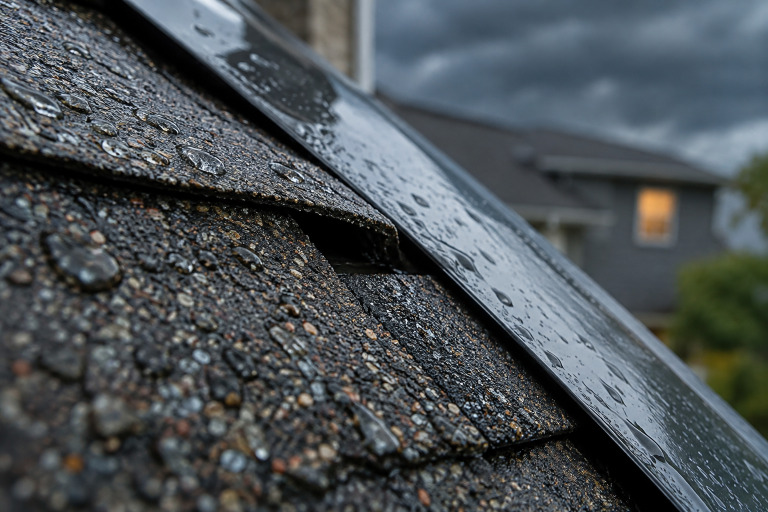
The roof should be given priority because a small opening can allow water into the attic and living space. From the ground, look for missing, cracked, curled, or displaced shingles; damaged ridge materials; loose metal; and sagging areas. Also inspect flashing around chimneys, vents, skylights, valleys, and wall intersections. Flashing directs water away from vulnerable transitions, so gaps or corrosion should not be ignored. During a planned reroof, ask about secondary water protection beneath the roof covering. Research summarized by the Insurance Institute for Business & Home Safety found that a sealed roof deck can reduce water entry by up to 95 percent under its tested wind-driven rain conditions. The right approach depends on the roof design, local requirements, and the condition of the deck.
Roof Inspection Points
- Check soffits, fascia, and roof edges for rot, gaps, or loose sections.
- Look for exposed fasteners, cracked sealant, and loose flashing.
- Inspect attic insulation and framing for moisture after a hard rain.
- Keep branches from rubbing against or hanging directly over the roof.
- Do not walk on a roof unless it is safe and you are trained to do so.
See also: Building a Healthy and Beautiful Life for You and Your Family
Check Windows, Doors, and Skylights
Wind-driven rain often finds its way through weak seals around openings. Check window and door frames for cracked caulk, loose trim, damaged weatherstripping, and visible gaps. Open and close each window and exterior door to make sure it latches properly. A door sweep that no longer meets the threshold evenly may allow drafts and water at the bottom edge. Skylights need special attention because their flashing and seals are exposed to above-roof weather. A skylight that leaks only during heavy rain is still a repair priority. Water can travel along framing or insulation before it becomes visible indoors, so the stain on a ceiling may not be directly below the entry point.
Inspect Siding, Trim, and Exterior Seals
Siding helps shed water, but it cannot do its job when panels, boards, or trim are loose, cracked, warped, or missing. Check corners, utility penetrations, vents, hose connections, and the areas around windows and doors. Pay attention to soft wood, peeling paint, recurring stains, and separated caulk lines. Avoid simply adding sealant over active rot or wet materials. The source of moisture should be identified first. Repairs may involve replacing damaged trim, correcting flashing, improving drainage, or restoring the siding installation so that water sheds as intended.
Improve Gutters, Downspouts, and Drainage
Gutters and downspouts control a large amount of roof runoff during a storm. Remove leaves, nests, twigs, and roof granules that can block flow. Check that hangers are secure, sections do not sag, and water is not spilling behind the gutter or over its front edge. Downspouts should carry water away from the foundation without creating a problem for a neighboring property. FEMA advises homeowners to maintain gutters, downspouts, splash pads, and nearby drainage paths so runoff can move away from the building. Its guidance on maintaining proper water runoff and drainage also recommends watching how water accumulates around the home during rain.
Remove Yard and Exterior Hazards
Walk the property before storm season and identify items that could be blown away or broken in strong winds. Secure patio furniture, umbrellas, grills, planters, bins, and portable play equipment. Inspect fences, gates, sheds, and decorative features for loose hardware or deteriorated materials. Have questionable tree limbs evaluated, particularly when they extend over the roof, driveway, or service lines.
Choose Repairs in the Right Order
- Stop active leaks. Any water entering the home needs prompt attention.
- Address safety concerns. Loose roof materials, unstable trees, damaged railings, and electrical concerns come next.
- Protect vulnerable transitions. Repair flashing, roof edges, openings, siding gaps, and drainage issues.
- Plan resilience upgrades. Consider stronger materials or details when replacement work is already scheduled.
- Complete cosmetic projects last. Appearance matters, but weather protection should take priority in the budget.
Use a Seasonal Maintenance Checklist
A simple routine reduces the chance that small issues will be forgotten. In spring, look for winter damage and clear drainage paths. In summer, inspect before periods of heavy rain and wind. In fall, remove leaves from gutters and review trees. In winter, watch for interior moisture, ice-related damage, and freeze-thaw movement around exterior materials.
Before Storm Season
- Photograph the exterior for home and insurance records.
- Inspect the roof from the ground and check the attic for warning signs.
- Clean gutters and verify that downspouts discharge properly.
- Check seals around windows, doors, vents, and skylights.
- Trim weak branches and secure loose outdoor equipment.
Know When to Call a Professional
Professional help is appropriate for roof access, recurring leaks, structural concerns, damaged skylights, extensive siding problems, and work near electrical components. Before requesting an inspection, gather photos, the approximate age of the affected materials, records of previous repairs, and notes on when the problem first appeared. Ask for a written scope of work, material details, permit information when applicable, and cleanup expectations.
Consistent maintenance cannot prevent every storm loss, but it can reduce avoidable vulnerabilities. By inspecting the roof, openings, siding, drainage, and yard on a regular schedule, homeowners can make practical decisions before severe weather puts the exterior to the test.
Conclusion
Preparing a home for severe weather starts with understanding how all exterior components work together to protect the property. From the roof and flashing to windows, siding, gutters, and yard drainage, each area plays an important role in keeping water, wind, and debris from causing damage. Regular inspections, timely repairs, and seasonal maintenance can help homeowners identify vulnerabilities before a storm arrives and avoid more expensive problems later. Prioritizing active leaks, securing loose materials, improving drainage, and addressing damaged seals are practical steps toward a more resilient home. When repairs involve structural concerns, difficult-to-reach areas, or specialized installation requirements, professional guidance can help ensure the work is completed safely and appropriately. Although no amount of preparation can eliminate every weather-related risk, a well-maintained exterior provides a stronger first line of defense. By making storm readiness part of routine home maintenance, homeowners can protect their property, manage repair costs more effectively, and approach changing weather conditions with greater confidence.

 By





 By