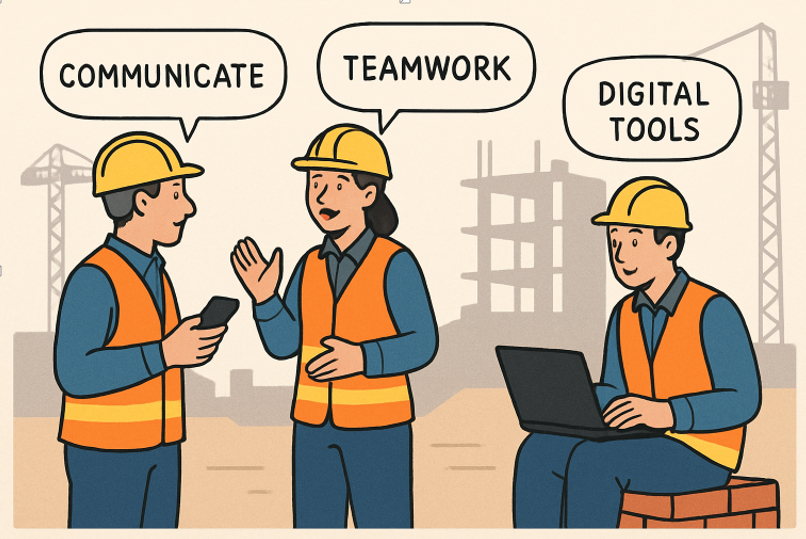

Today’s construction landscape is highly competitive, driving contractors to seek out innovative methods that maximize efficiency on every project. Streamlined operations play a crucial role in meeting client deadlines, cutting unnecessary costs, and boosting overall satisfaction. As the construction sector evolves, adopting proven strategies is key to standing out in the field. Contractors can improve performance by prioritizing both technological innovations and proven management practices, thereby achieving more reliable, profitable operations. Partnering with experienced teams like Snyder Construction can further amplify project outcomes and set the standard for excellence in construction services.
Efficiency should be woven into every layer of the construction process, from project inception to final delivery. Successful contractors are those who respond proactively to challenges, embedding agility and clear communication into their workflow. As projects grow more complex and client expectations rise, contractors are expected not just to deliver great results, but also to complete work safely, on budget, and with a transparent project timeline. Enabling teams with the right tools and knowledge lays the groundwork for seamless collaboration and measurable gains in productivity. Adopting a comprehensive approach is essential for thriving in the modern construction industry.
Embracing Technology for Streamlined Operations
Modern construction management hinges on the intelligent use of technology. Tools like Building Information Modeling (BIM) allow contractors to map projects in detail before any materials reach the site. This 3D visualization improves planning accuracy and helps predict issues early on, saving both time and money. Mobile applications expedite on-site reporting, while collaboration platforms keep teams connected in real time, regardless of their location. Digital scheduling and documentation tools mean less time is spent chasing down paperwork, and more effort is focused on executing trades efficiently.
Implementing Lean Construction Principles
Lean construction principles are purpose-built to eliminate waste, whether in time, resources, or man-hours. Methods such as the Last Planner System and Just-in-Time (JIT) delivery allow teams to anticipate workflow needs and minimize delays. Visual management practices keep progress visible, promoting accountability at every level. Continuous improvement is a cultural shift that encourages everyone, from laborers to leadership, to identify inefficiencies and propose better solutions. This not only speeds up completion times but also yields higher quality outcomes and happier clients.
Investing in Continuous Training
Training is not merely a compliance requirement but a strategic investment in quality and safety. Regular training on the latest construction techniques, software upgrades, and evolving safety protocols ensures that every worker remains competent and confident in their role. A well-trained workforce is less prone to costly errors and can adapt quickly as project demands evolve. Encouraging ongoing professional development also improves morale, which translates to higher retention rates and more cohesive project teams.
Fostering Clear Communication Channels
Clear communication is foundational for successful construction projects. It creates an environment where information flows freely across all levels of the organization, reducing the risk of misunderstandings and costly mistakes. Well-established communication channels, both digital and in person, help teams anticipate and coordinate around upcoming challenges. Providing avenues for anonymous feedback can uncover early warning signs and build a culture of trust, ensuring that every team member feels empowered to contribute ideas and solutions.
Utilizing Prefabrication and Modular Construction
Prefabrication streamlines construction by enabling parallel processing, where building components are manufactured off-site while foundational work is underway on-site. This dramatically shortens the overall project schedule and ensures higher consistency and quality. Modular construction allows sections of a project to be completed in controlled environments before being transported to the job location, mitigating risks posed by adverse weather and site delays. This coordinated approach is ideal for projects needing accelerated delivery without sacrificing quality.
Prioritizing Safety and Wellness
Contractors cannot afford to overlook the importance of safety and wellness. Comprehensive safety programs, regular site inspections, and robust personal protective equipment policies safeguard workers against common hazards. Investing in employee wellness programs, such as mental health resources and ergonomic assessments, improves overall productivity and lowers absenteeism. A commitment to safety and well-being elevates the company’s reputation and reduces the likelihood of costly disruptions caused by workplace accidents.
See also: Why Businesses Should Consider Investing in Solar Power
Optimizing Supply Chain Management
Supply chain delays can derail even the best-planned projects. Strong partnerships with reliable suppliers, transparent contracts, and consistent communication are essential for ensuring that the right materials are delivered exactly when needed. Digital inventory tracking and automated procurement systems further minimize risks of shortages or oversupply. Advanced supply chain strategies, such as just-in-time inventory management, keep costs low and productivity high by reducing waste and freeing up valuable on-site storage space.
Monitoring Progress and Adapting Quickly
Regularly tracking project milestones and evaluating key performance indicators enables proactive decision-making before minor issues become roadblocks. Modern project management tools enable daily progress checks and instant feedback loops, allowing teams to pivot efficiently when necessary. This agile approach is particularly valuable in responding to unforeseen challenges, keeping projects on track, and safeguarding profitability.
By consistently putting these strategies into practice, contractors can transform project delivery, earning the confidence of clients and stakeholders while positioning themselves as industry leaders.


 By
By




 By
By