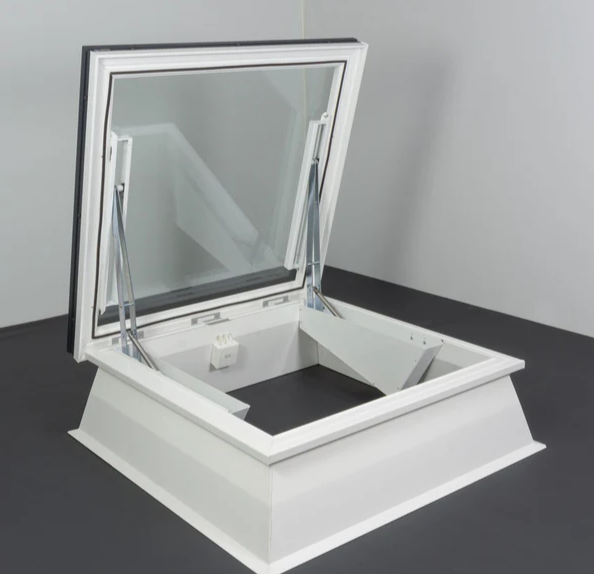

In modern commercial architecture, achieving the right balance between functionality, sustainability, and occupant comfort is more crucial than ever. Natural light has become a central design element, offering both environmental and psychological benefits. One solution that effectively introduces daylight into large, flat-roofed buildings is the flat roof dome skylight.
These skylights combine practical performance with architectural appeal. Installed on flat or nearly flat rooftops, dome-shaped skylights capture sunlight from multiple angles and direct it into the interior below. Their raised, bubble-like form is not only visually distinctive but also functional, shedding rain and snow while maximising light penetration. For commercial properties such as warehouses, retail stores, schools, and healthcare facilities, flat roof dome skylights provide a versatile way to enhance both efficiency and aesthetics.
This article explores flat roof dome skylights in depth, covering their design, benefits, materials, applications, challenges, and the innovations shaping their future.
What Are Flat Roof Dome Skylights?
A flat roof dome skylight is a roof-mounted structure designed to bring natural light into interiors, specifically for buildings with flat or low-pitched roofs. Unlike traditional flat skylights that only admit light from directly above, dome skylights capture sunlight from a range of angles throughout the day. Their curved geometry ensures that even when the sun is low, a significant amount of natural light still reaches the interior.
Commercial dome skylights are built to withstand environmental stresses such as wind loads, snow accumulation, and UV exposure. They come in various sizes and configurations, from small domes installed in rows to large modular systems covering entire spans. Multi-layered designs with advanced glazing enhance insulation, making them suitable for climate-controlled environments.
Why They Are Ideal for Flat Roofs
Flat roofs pose unique challenges in building design. Unlike pitched roofs, they do not naturally shed water or snow, so careful drainage is required to prevent pooling. Their level surface also limits the opportunity for vertical windows, leaving interiors heavily reliant on artificial lighting.
Flat roof dome skylights solve these issues effectively. Their raised, curved design prevents water or snow from collecting on the glazing surface, reducing the risk of leaks or structural stress. At the same time, they harness daylight from multiple directions, ensuring consistent illumination throughout the day.
Because many commercial and industrial buildings are designed with flat roofs for cost efficiency and structural simplicity, dome skylights are a practical solution that integrates seamlessly into these roof types.
See also: Why the Best Routers in Kenya Are Essential for Smart Homes and Modern Living
Benefits of Flat Roof Dome Skylights
One of the main advantages of dome skylights is their ability to reduce reliance on artificial lighting. By admitting abundant daylight, they help lower energy consumption, resulting in considerable savings on electricity bills. In large commercial spaces such as warehouses or retail centres, where lighting costs make up a substantial part of operational expenses, these savings can be significant.
In addition to financial benefits, dome skylights contribute to sustainability goals. Buildings that adopt daylighting strategies can lower their carbon footprint and qualify for green certifications such as BREEAM or LEED. For companies aiming to meet environmental standards, this offers a clear advantage.
Natural light also promotes occupant well-being. It helps regulate circadian rhythms, reduce stress, and improve mood and productivity. Employees in naturally lit environments often experience fewer headaches, better concentration, and higher satisfaction levels. In customer-facing spaces, skylights create a welcoming atmosphere that encourages longer visits and greater engagement.
From a safety perspective, dome skylights provide even, glare-free illumination, reducing the risk of accidents in busy environments like distribution centres. Improved visibility also supports quality control by making defects easier to identify.
Finally, flat roof dome skylights add architectural value. Their distinctive design enhances both interior and exterior aesthetics, creating brighter, more inviting spaces. In hospitality, education, and healthcare settings, this quality improves the overall experience for occupants and visitors alike.
Materials and Construction
The performance and longevity of dome skylights depend largely on the materials used. The glazing is typically made from polycarbonate, acrylic, or glass.
Polycarbonate is lightweight, highly impact-resistant, and ideal for harsh weather. It transmits light effectively and can be treated with UV-protective coatings to prevent discolouration. Acrylic offers greater clarity but is less impact-resistant, making it more suitable for milder conditions.
Glass is considered the premium option. Although heavier and more expensive, it offers superior clarity, UV resistance, and durability. Modern glass domes often include low-emissivity coatings to improve insulation and manage solar gain.
Frames are usually made from aluminium or steel. Aluminium is lightweight and corrosion-resistant, while steel provides greater strength for larger spans. Domes are often mounted on raised upstands to enhance drainage and thermal performance.
Installation Considerations
Installing dome skylights on flat roofs requires precise planning. Placement should be carefully considered to ensure consistent daylighting across large interiors. In deep-plan buildings, multiple units may be necessary to avoid shadowed areas.
Local climate also matters. In warmer regions, glazing with solar-control coatings helps to limit heat gain, while in colder climates, double or triple glazing reduces heat loss and condensation.
Structural safety is paramount. Domes must withstand wind uplift, snow loads, and temperature fluctuations. They must comply with building and fire safety regulations, and professional installation is vital to ensure proper sealing and prevent leaks.
Although relatively low-maintenance, dome skylights do require periodic cleaning and inspection. Dirt or debris can reduce light transmission, while worn seals can cause leaks if not addressed promptly.
Applications of Flat Roof Dome Skylights
Flat roof dome skylights are used in a wide range of commercial and institutional environments.
In warehouses and logistics centres, they help lower lighting costs while improving visibility for workers. Retail stores and shopping malls use them to create bright, inviting spaces that enhance customer experience. Offices benefit from improved productivity and morale through consistent natural lighting.
Healthcare facilities, schools, and universities use dome skylights to promote well-being and enhance performance. Transport hubs such as airports and railway stations incorporate large skylight systems to illuminate spacious concourses. Hotels, restaurants, and spas use them to enhance ambience and create memorable spaces for guests.
Challenges and Limitations
Despite their many advantages, dome skylights also present challenges. Without proper design, they can cause overheating in summer or heat loss in winter. Glare may be an issue if domes lack appropriate shading or coatings.
Water leakage is another concern with flat roofs, so quality installation and sealing are essential. Regular maintenance, although minimal, is still necessary to maintain transparency and prevent wear-related issues.
While polycarbonate domes are cost-effective, glass alternatives with advanced glazing technologies are more expensive. However, energy savings, improved productivity, and increased property value often offset these costs.
Innovations and Future Trends
Technological innovation continues to shape the future of flat roof dome skylights. Smart glazing, such as electrochromic glass, can automatically adjust tint based on sunlight levels to reduce glare and manage heat gain.
Solar-powered skylights are also becoming popular, combining daylighting with renewable energy generation. By integrating photovoltaic panels, systems like Skylights Roof Lanterns can further reduce energy costs and support a building’s energy requirements.
Biophilic design principles are another growing influence, using skylights to connect people with nature. Advances in materials and manufacturing methods are also making dome skylights stronger, lighter, and more cost-effective.
Costs and Return on Investment
The cost of flat roof dome skylights varies depending on size, material, glazing type, and installation complexity. Polycarbonate options are most affordable, while glass domes with advanced coatings sit at the premium end.
Although initial investment can be significant, the long-term return is strong. Energy savings often recover installation costs within a few years. When combined with improved productivity and reduced absenteeism, skylights like Skylights Roof Lanterns provide excellent overall value.
Conclusion
Flat roof dome skylights are an effective way to enhance commercial spaces. By capturing natural light from multiple angles, they reduce dependence on artificial lighting, lower energy costs, and create healthier, more attractive environments. Their raised, curved design makes them ideal for flat roofs, ensuring both durability and weather resistance.
As technology advances, these skylights are becoming more efficient and adaptable, transforming from decorative features into essential components of sustainable building design. For offices, warehouses, retail centres, schools, and healthcare facilities, flat roof dome skylights represent a sound investment in both performance and well-being.


 By
By




 By
By