
Why Used Cooking Oil Deserves A Second Look
For a busy restaurant, used cooking oil can feel like one more closing-duty problem. Yet it is also a recoverable material that deserves a clear plan. When staff know how to cool, transfer, store, and document fryer oil, the kitchen is better prepared to avoid costly messes while keeping a potentially useful resource out of the waste stream. Businesses that want to learn more about organized collection can start by looking at how much oil they generate during a normal week.
Pouring oil down a drain may seem convenient, but it can contribute to clogged plumbing, unpleasant odors, difficult cleanup, and avoidable downtime. A better approach treats oil recovery as part of routine kitchen safety. For example, a high-volume restaurant might assign one trained closer to check the oil container, record the approximate level, and confirm that the lid is secure before the end of every shift.
Used fryer oil is also different from used motor oil. The U.S. Environmental Protection Agency identifies vegetable and animal oil separately from the petroleum-based oils covered by its used-oil definition. That distinction matters because cooking oil, automotive fluids, solvents, and cleaning chemicals should never be mixed in one container.
What Happens After The Oil Leaves The Kitchen?
Recovery begins long before a truck arrives. A reliable process keeps the material manageable from the fryer to the processing facility.
- Collection: Staff place cooled used oil in a suitable, designated container.
- Transport: The oil is collected on a schedule that matches the kitchen’s volume.
- Filtering: Food particles and other solid debris are removed where appropriate.
- Settling and separation: Water and heavier contaminants can be separated from the oil.
- Processing: The recovered material is prepared for approved fuel, manufacturing, or rendering uses.
The final destination depends on the oil’s quality, the processor’s capabilities, and local market conditions. A kitchen should not assume every gallon will follow the same path, but cleaner and more consistent material generally gives processors more options.
See also: Building a Healthy and Beautiful Life for You and Your Family
How To Store Used Cooking Oil Safely
Set Up A Practical Storage Area
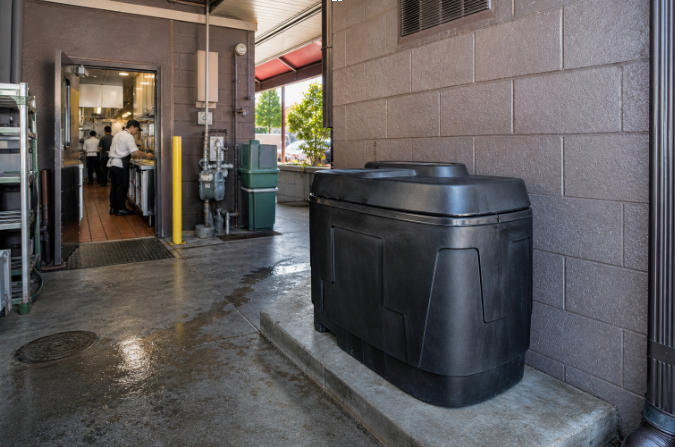
Choose a sturdy, leak-resistant container designed for grease or cooking oil. Place it on a stable surface away from delivery paths, vehicle traffic, doorways, and areas where employees carry hot food. Keep the container closed when it is not in use to reduce rainwater, litter, pest activity, and accidental contamination.
Hot oil should cool to a safe handling temperature before transfer. Keep the surrounding area clear enough for staff to inspect the container easily, and clean small spills promptly with appropriate absorbent materials. If the container is outdoors, make sure it is accessible for collection without obstructing emergency routes or normal operations.
Keep The Oil Clean From The Start
- Remove large food scraps before transferring oil.
- Use a screen or filter when the kitchen’s equipment and procedures allow it.
- Do not add water, mop liquid, sanitizer, chemicals, or unrelated waste.
- Record the transfer date and approximate volume when practical.
- Make sure every fryer operator knows where the container is located and who to notify if it is nearly full.
Why Contamination Can Lower Recovery Value
Water, food debris, packaging, cleaning products, and other liquids can complicate handling and processing. Contaminated oil may require additional treatment, create safety concerns, or limit the material’s potential end uses. The best prevention is usually not expensive equipment. It is a consistent routine that gives staff one approved place for fryer oil and clear instructions about what does not belong there.
Regular training is especially useful when employees are new, schedules change, or a kitchen adds fryers. A short reminder during onboarding can prevent mistakes that are far harder to correct after a container has been contaminated.
Common End Uses For Recovered Cooking Oil
Recovered cooking oil can support several downstream uses. One important route is biodiesel production. The U.S. Department of Energy explains that yellow grease, used cooking oils, or animal fats can be processed through transesterification to make biodiesel and glycerin. Raw fryer oil itself is not a finished vehicle fuel and should not be poured directly into an engine.
- Biodiesel: A renewable fuel made through chemical processing of fats, oils, and greases.
- Renewable diesel: A distinct fuel made through a different refining process.
- Industrial products: Depending on the processor and material quality, recovered oils may support soaps, detergents, lubricants, and related products.
- Rendering and manufacturing feedstocks: Some fats and oils can be further processed into raw materials for approved commercial uses.
Used Cooking Oil And Renewable Fuel
Waste-based oils remain part of the broader renewable fuel conversation because they can turn a routine byproduct into feedstock. However, fuel markets, processing capacity, transportation costs, and policy requirements can change. Federal renewable-fuel pathways recognize biogenic waste oils, fats, and greases in certain qualifying production routes, but eligibility depends on the feedstock, process, records, and applicable program rules.
For food businesses, the practical lesson is simple. Focus first on safe handling, clean storage, and dependable records rather than trying to predict fuel values or make broad environmental claims. A well-run recovery program supports better daily operations regardless of where the material is ultimately processed.
Questions To Ask Before Choosing A Collection Plan
- How many gallons of oil does the kitchen produce each week, including holiday or seasonal peaks?
- Where can a container sit without blocking staff movement, deliveries, or emergency access?
- How often should the oil level be checked, and who is responsible?
- What is the procedure if the container fills early, leaks, or becomes contaminated?
- How will pickup dates, estimated volumes, and service issues be recorded?
- Which local health, fire, wastewater, and environmental rules apply to the location?
A Practical Weekly Checklist
- Inspect the container for leaks, dents, visible damage, and loose fittings.
- Confirm that lids and access points close securely.
- Remove debris and residue from the surrounding storage area.
- Review the current oil level and arrange collection before capacity becomes a problem.
- Update the kitchen log with volume estimates, pickup information, or unusual observations.
- Refresh staff instructions whenever the process, container location, or collection schedule changes.
Common Mistakes To Avoid
The most common errors are preventable: pouring oil into drains, relying on thin makeshift containers, leaving a container uncovered, adding water or chemicals, and waiting for an overflow before requesting service. Another frequent mistake is assuming the same requirements apply everywhere. Local rules can differ, so managers should confirm expectations before installing or relocating a storage container.
Conclusion
Used cooking oil recovery starts with a straightforward habit: keep fryer oil out of the drain and place it in a clean, secure container. From there, reliable collection, basic records, and trained staff can reduce spills, protect the kitchen, and help direct valuable materials toward future products or fuels. In 2026, treating oil handling as part of safety and waste planning is a practical step for any commercial kitchen.


 By
By




 By
By