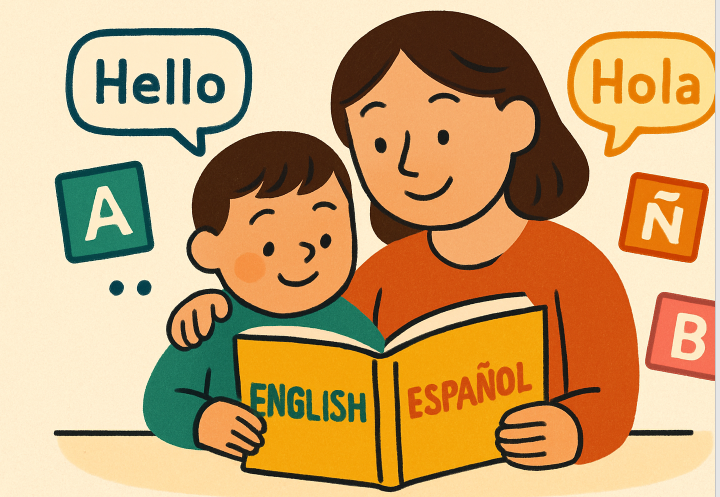
Introducing children to a new language can be a transformative and joyful experience. Books serve as one of the most effective gateways for young learners, offering both rich vocabulary and insights into the culture tied to the language. By exploring children’s language learning books early on, parents and educators can create engaging environments that foster both enthusiasm and long-term learning success.
Immersing children in stories presented in a new language not only strengthens their grasp of words and grammar but also nurtures curiosity about people and places beyond their own world. The combination of reading, play, and creative exploration through books helps reinforce what is learned and turns language study into a daily adventure. Choosing the best strategies, from interactive storytelling to digital tools, maximizes both retention and enjoyment during the process.
Interactive Storytelling
Turning each reading session into a participatory activity helps children better absorb a new language. Ask questions about the plot, prompt them to name objects in the new language, or let them guess what might happen next in the story. When kids become active participants rather than passive listeners, they not only develop comprehension skills but also actively use their growing vocabulary. Using props or acting out parts of the story makes narrating more engaging and memorable, encouraging deeper linguistic immersion.
Utilizing Bilingual Books
Bilingual books are a practical bridge for children learning a new language, as they present words and sentences in both the child’s native language and the target language. This helps kids compare words and sentence structures side by side, aiding context and meaning. According to educational experts at Reading Rockets, reading and rereading favorite stories in both languages can solidify vocabulary acquisition and understanding of grammar. Letting children choose their preferred books in both languages keeps them invested and interested in the material.
Integrating Technology
Technology can amplify the learning experience through interactive tools and tailored support. Language learning apps and digital books often feature interactive features, instant pronunciation feedback, and leveled reading recommendations. Google’s Read Along, for example, includes a reading buddy that listens and nudges children forward as they practice language skills. These applications can transform reading into a game while providing meaningful, real-time reinforcement for word recognition and pronunciation.
See also: Shaping Trust and Growth in the Chiropractic Business Landscape
Establishing Consistent Reading Habits
Regular exposure to a new language is fundamental. Set aside time every day—whether it is in the morning, before bed, or after school—to read books in the new language. Consistency builds vocabulary, pronunciation confidence, and comprehension with each session. Family reading time, where stories are read aloud together, reinforces correct pronunciation and offers opportunities for modeling fluent reading. Even short, daily exposure is more effective than long but infrequent sessions.
Incorporating Creative Activities
Beyond reading, hands-on activities based on the stories can help kids internalize new words and expressions. Drawing pictures of scenes from a book or acting out favorite characters encourages children to use the language creatively. Story-based craft projects, such as making puppets or props related to the plot, deepen comprehension and allow children to actively use the vocabulary in diverse settings. These creative activities increase retention by linking language learning to play and imagination.
Leveraging Library Resources
Public libraries can be a goldmine of resources, including bilingual books, audiobooks, language-learning kits, and classes. Many libraries host regular bilingual storytimes or cultural celebration days. Participating in these programs enables children to hear native pronunciation and connect with other language learners. Libraries also offer community support, allowing families to borrow materials that may be expensive or difficult to find elsewhere.
Encouraging Family Involvement
Consistent encouragement from family plays a significant role in language learning success. Families can integrate new vocabulary into daily routines, label home objects with the new language, and play simple verbal games that reinforce word recall. Parents do not need to be fluent themselves to participate—learning together creates a collaborative and supportive atmosphere that motivates children and highlights language acquisition as a shared adventure.
Conclusion
Combining books, interactive activities, and supportive environments creates a rewarding path for children learning a new language. With consistency, creativity, and engagement from both family and community resources, kids can build strong language foundations while fostering a love of reading and multicultural understanding. As children discover the joy of stories in different languages, they gain skills that open doors to new friendships, cultures, and opportunities throughout their lives.


 By
By




 By
By