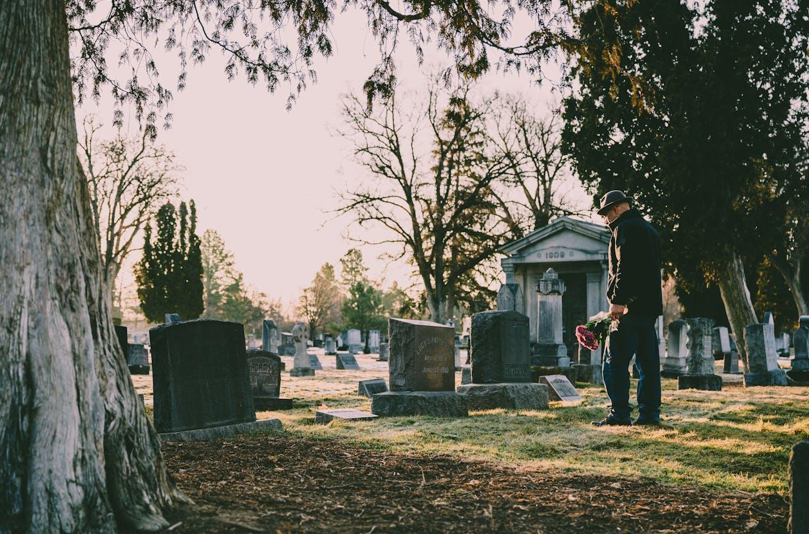

Choosing the right color for a headstone is a deeply personal decision that reflects the memory of a loved one. Beyond aesthetics, the color you select can influence the monument’s symbolism, durability, and integration within the surrounding landscape. From classic shades like black granite to softer tones such as grey or white marble, each hue carries its own meaning and character. In this article, we’ll guide you through the key factors to consider so you can make a thoughtful, lasting choice.
Choosing a headstone color for lasting tribute
Selecting the right headstone color can deeply influence the atmosphere at a memorial site. Darker tones like a black granite tombstone offer elegance, timelessness, and are easy to maintain. Subtler shades such as light grey tend to blend better with natural surroundings. When choosing, consider the emotional messaging you want to evoke. Each color carries different symbolism and practical advantages for personalization and durability.
Symbolic meanings behind headstone colors
Every color holds powerful symbolism. Black represents dignity, strength, and respect. Grey suggests peace, balance, and serenity. White conveys purity and hope. Choose a color that best reflects the personality and memory of the deceased. Some families select warm terracotta for earthy charm. Others prefer blue granite to represent calm and spirituality. The symbolic tone can deeply personalize the headstone.
Most popular headstone colors available
Black, grey, white, brown, and red granites are among the most commonly used in memorials. Black granite is widely chosen for its sharp contrast and readability of inscriptions. Grey remains a favorite for traditional, understated elegance. Brown and red varieties are popular in certain cultural contexts. The stone’s origin may also influence color tone and availability, especially with imported granite.
Considering cemetery regulations and guidelines
Before selecting a color, it’s essential to check cemetery color restrictions. Some cemeteries follow strict visual harmonization rules. They may only allow neutral tones like grey, white, or light brown. Others have sections where brighter colors are acceptable. Choosing a compliant color prevents future issues. Always coordinate with cemetery management before commissioning a headstone to ensure it meets all local guidelines.
Weathering and maintenance considerations
Dark colors like black or deep red granite require less frequent cleaning since stains and biological growth are less visible. Pale tones, while beautiful, may show dirt and lichen more quickly. Consider your climate too. In sunny climates, light-colored stones reflect heat better, while dark ones can fade over decades. Proper sealing and periodic maintenance can prolong any color’s original brilliance.
Matching color with engraving style
Color choice can affect how inscriptions appear. Light-colored lettering contrasts well on dark granite, which enhances readability. For lighter stones, deeper engraving or dark paint infill is often required. Techniques such as sandblasting or laser etching respond differently depending on base color. Discuss finishing methods with your stonemason to ensure the script remains legible across years.
Emotional impact of color selection
Color creates mood. A black granite headstone exudes solemn peace and formality. Blue or green tones offer a tranquil, natural vibe. Red adds warmth and boldness. Choosing a color that resonates emotionally helps create a lasting connection with the departed. Families often select hues that reflect the favorite color of the deceased, offering a more personal tribute.
See also: Extend the Life of Your Roof with Professional Central Coast Repairs
Budget and availability implications
Exotic or rare-colored granites tend to be pricier and less available locally. Domestic options like grey or black granite are generally more affordable and faster to deliver. Some unique colors may incur additional transportation or customization fees. Before choosing a rare shade, consider whether it fits your budget and timeline. Local stone varieties often offer better value and quicker installation.


 By
By




 By
By